Panama Tourism & Airbnb Investment: Vacation Rentals & Boutique Hotels
Panama's tourism sector is at record highs, and demand for short-term rentals and boutique hotels is strong. But whether your property earns a healthy, legal yield — or risks fines and forced conversion to long-term rental — often comes down to one question: does it hold the correct tourism license and incentive classification?
Panama Tourism Real Estate Investment: Law 80 Incentives, Hospitality & Resort Property Guide
Panama's tourism real estate sector offers foreign investors a combination that is rare in Latin America: a fully dollarized economy, constitutional property rights equal to those of citizens, and a layered set of statutory tax incentives that can eliminate property taxes, import duties, and income taxes for periods ranging from five to twenty years. The flagship instrument is Law 80 of November 8, 2012, which consolidated and updated the country's tourism investment incentive framework. This guide explains what Law 80 actually grants, how to qualify, what the numbers look like compared with standard residential investment, and where the real risks lie — detail that no competing source on the current SERP provides. For a broader overview of Panama's investment-grade real estate market, including residential and commercial sectors, see our comprehensive Panama real estate guide.
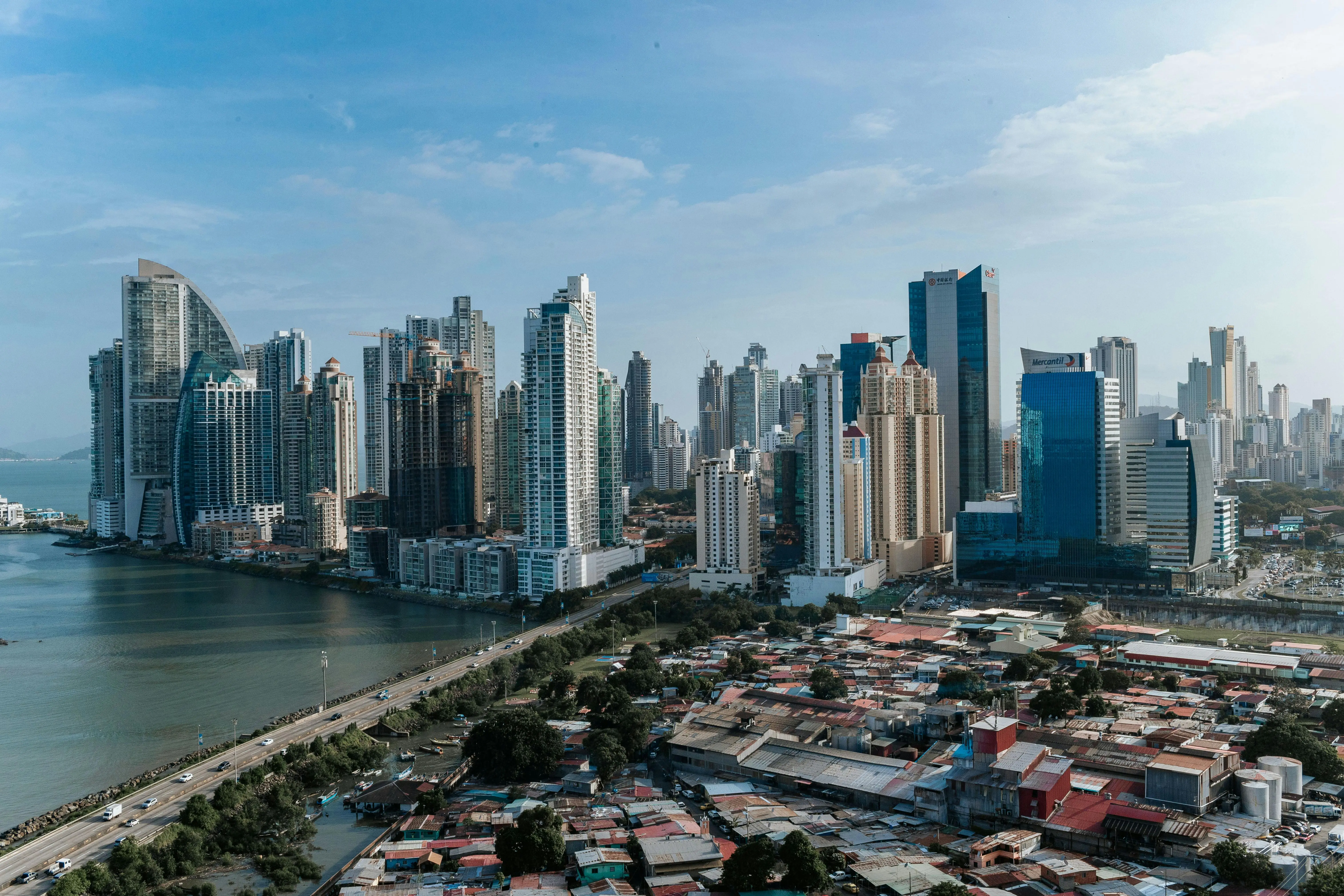
Why Panama for Tourism Real Estate Investment
Panama recorded approximately 2.1 million international tourist arrivals in 2023, with the Tourism Authority of Panama (ATP) projecting continued growth driven by 68 direct international flight routes from 31 countries. Tourism contributes roughly 7–8% of GDP when ancillary services are included, and the sector is explicitly prioritized in the government's Sustainable Tourism Master Plan (PMTS) 2020–2025.
Several structural factors underpin the investment case:
- Dollar economy with no exchange controls. Panama uses the U.S. dollar as legal tender. There are no capital controls, and investors can repatriate profits, interest, and dividends freely under Law 54 of July 22, 1998, which grants foreign investors the same rights as Panamanian nationals.
- Constitutional property rights. Article 44 of the Panamanian Constitution guarantees property rights for both citizens and foreigners. Foreigners face only two restrictions: no ownership of land within 10 km of international borders, and the first 22 meters of beachfront are state property (though concessions are available for tourism use).
- Territorial tax system. Panama taxes only income generated within its borders. Foreign-source income is not taxed, which matters for investors who hold tourism assets through international structures.
- Stable macroeconomic base. Panama's GDP per capita at purchasing-power parity is the highest in Latin America (excluding Puerto Rico, a U.S. territory), and services — not tourism alone — account for roughly 80% of GDP, providing a diversified economic buffer.
- Medical tourism and convention demand. Panama City's hospital infrastructure and the ATLAPA Convention Center generate year-round short-term accommodation demand that is less cyclical than leisure tourism.
For investors considering the corporate structure to hold their tourism assets, our team regularly advises on setting up a corporation in Panama, which is the most common vehicle for owning and operating hospitality property.

Law 80 Explained: What the Incentives Actually Grant
Law 80 of November 8, 2012 — formally titled the Law that Promotes Tourism Investment in Panama — is the primary statutory instrument governing tax incentives for tourism-related real estate and business investment. It was enacted to consolidate and modernize earlier tourism incentive legislation and is administered jointly by the Tourism Authority of Panama (ATP) and the Directorate General of Revenue (Dirección General de Ingresos, DGI).
The law defines "tourism investment" broadly to include hotels, resorts, eco-lodges, marinas, golf courses, theme parks, convention centers, and related infrastructure. The core incentives it establishes are:
- 100% exoneration on import duties for construction materials, furniture, fixtures, equipment, and vehicles used in the development and operation of a qualifying tourism project — as provided under the law at the time of writing. The specific periods and qualifying conditions are defined by statute and implementing regulations; confirm current terms with your attorney.
- Property tax exoneration on land and improvements for qualifying hotel and resort buildings, typically for periods of 15 to 20 years depending on project location and type.
- Income tax exoneration on hotel revenue for up to 15 years from the date the project begins operations, subject to maintaining ATP certification.
- Exoneration of the certificate of existence tax (the annual corporate tax equivalent) for up to five years.
- Loan interest deductibility: The first loan acquired to finance a qualifying tourism project benefits from income tax exoneration on the interest paid, and the interest expense is treated as a tax-deductible item on the company's financial statements.
To activate these benefits, the investor must obtain a certificate from the ATP confirming that the investment qualifies as tourism-related, and then present that certificate to the DGI. The ATP evaluates the project against defined criteria covering investment amount, employment generation, environmental compliance, and alignment with national tourism development zones.
Need a legal review of your Law 80 application before submitting to the ATP?
Our attorneys have guided tourism investors through the ATP certification process and DGI filings. Errors at this stage can forfeit years of tax benefits.
Request a consultationNo obligation. Response within one business day.
Law 80 Eligibility Criteria and Compliance Requirements
Qualifying for Law 80 benefits is not automatic upon purchasing tourism property. The ATP applies specific eligibility criteria, and ongoing compliance is required to maintain the exemptions throughout their term.

Minimum Investment Thresholds
The minimum qualifying investment under the broader tourism incentive framework (which Law 80 sits within) is:
- $300,000 for projects located in metropolitan areas (Panama City and its immediate surroundings).
- $500,000 for projects located outside metropolitan areas, including coastal, island, and highland zones.
These thresholds reflect the combined value of land, construction, furniture, fixtures, and equipment. Projects below these thresholds may still qualify for partial incentives under complementary laws (see the next section), but will not receive the full Law 80 benefit package.
Eligible Project Types
The ATP recognizes the following categories as eligible for Law 80 certification:
- Hotels and apart-hotels (minimum classification requirements apply)
- Eco-lodges and nature tourism facilities
- Marinas and nautical tourism infrastructure
- Golf courses and associated resort developments
- Convention and congress centers
- Theme parks and cultural tourism attractions
- Cruise ship terminals and related port facilities
- Airport infrastructure open to public use
Application Process
- Submit a formal investment project proposal to the ATP, including architectural plans, environmental impact assessment (EIA) where required, projected employment figures, and financial projections.
- The ATP issues a Resolution of Tourism Investment Classification, which defines the applicable incentive period and conditions.
- The investor presents the ATP Resolution to the DGI to register the tax exemptions.
- Import duty exemptions are activated through the Customs Authority (Autoridad Nacional de Aduanas) upon presentation of the ATP certificate for each shipment.
Ongoing Compliance Obligations
Failure to maintain compliance can result in recapture of exempted taxes. Key obligations include:
- Maintaining the property in active tourism operation throughout the exemption period. A property that ceases tourism operations may lose its exemption status retroactively.
- Annual reporting to the ATP confirming operational status, occupancy data, and employment figures.
- Compliance with ATP classification standards (star ratings, service standards) applicable to the property category.
- Environmental permit renewals where the project required an EIA.
- Any change in ownership or corporate structure must be notified to the ATP; the exemptions are generally transferable to a new owner who assumes the same obligations, but this requires formal ATP approval.
Tax Exemption Breakdown: What Is Covered and What Is Not
Competitors consistently describe Panama's tourism incentives as "tax exemptions" without specifying which taxes are covered. The following table provides the granular breakdown that a foreign investor needs before committing capital.
| Tax or Duty | Exemption Under Law 80 | Duration | Conditions |
|---|---|---|---|
| Import duties on construction materials | 100% exoneration | Up to 5 years (construction phase) | Materials must be for the certified project |
| Import duties on operational equipment and furniture | 100% exoneration | Up to 10 years (operations phase) | Items must be for certified tourism use |
| Property tax on land and improvements | 100% exoneration | 15–20 years from project registration | Property must remain in tourism operation |
| Income tax on hotel/resort revenue | 100% exoneration | Up to 15 years from opening date | Annual ATP operational certification required |
| Certificate of existence tax (annual corporate tax) | 100% exoneration | Up to 5 years | Applies to the operating entity |
| Airport and dock usage taxes | 100% exoneration | 15 years (government access required for airports) | Infrastructure must serve tourism purposes |
| Interest on first project financing loan | Income tax exoneration; interest is tax-deductible | Duration of the first loan | Applies to the first loan only |
What Law 80 Does Not Cover
- Transfer taxes on property sale. When a Law 80 property is sold, the standard 2% transfer tax (calculated on the higher of the registered value or the transaction price) applies. The seller also faces a 3% capital gains withholding tax.
- ITBMS (Panama's VAT equivalent at 7%). Tourism services rendered to domestic clients are generally subject to ITBMS. Services to foreign tourists may qualify for zero-rating in specific circumstances, but this requires separate analysis.
- Social security contributions. Employer contributions to the Caja de Seguro Social (CSS) — currently 12.25% of payroll — are not exempted under Law 80.
- Municipal taxes and fees. Local government levies, signage fees, and municipal operating licenses remain payable.
- Income tax on non-tourism revenue. If the property generates income from activities not covered by the ATP certificate (e.g., a restaurant serving primarily local residents rather than hotel guests), that income stream may not benefit from the income tax exemption.
Complementary Tourism Investment Laws
Law 80 operates within a broader legislative ecosystem. Understanding the full stack of available incentives allows investors to select the legal framework that best fits their project. This ecosystem of incentive laws is one of the key factors that makes Panama's real estate market attractive compared to other Central American jurisdictions; see our Panama real estate guide for a full market overview.
Law No. 8 of 1994 (Tourism Investment Law)
This earlier law established the foundational tourism investment incentive framework. It provides import and property tax exemptions, airport and dock usage tax exemptions, and — in certain cases — income tax exemptions for qualifying tourism businesses. The minimum investment thresholds ($300,000 in metropolitan areas; $500,000 outside) originate in this law and were carried forward into the Law 80 framework.
Law No. 2 of January 7, 2006 (Island Property and Concessions)
This law permits foreigners to purchase island property and obtain state land concessions specifically for tourism purposes — a right that had no precedent in Panamanian law before 2006. Concession agreements for beachfront and island land can be structured for terms of up to 20 years, renewable, and are transferable with ATP and government approval. This is the primary legal instrument for resort development on Panama's 1,500+ islands.
Law No. 58 (Outside-Development Incentives)
This law targets lodging facilities outside Panama's designated Special Tourism Zones — specifically mountainous areas, islands, and remote coastal regions. It provides tax-free importation of materials, equipment, and vehicles, plus a 20-year property tax exemption. For eco-lodge and adventure tourism investments in areas such as Bocas del Toro, Darién, or the Azuero Peninsula, Law 58 may offer a longer property tax exemption period than Law 80.
Law No. 9 of August 27, 1997 (Casco Viejo / Casco Antiguo)
Specific to the historic district of Panama City, this law provides 100% deductibility of renovation costs, a 10-year exemption on property sale or rental income, and a 30-year property tax exemption. Boutique hotel and short-term rental developments in Casco Viejo — one of the city's highest-demand tourism zones — can stack these incentives with ATP certification under Law 80.
Law No. 122 (Recent Hotel Investment Incentives)
As reported by the U.S. International Trade Administration (ITA), Law 122 was approved specifically to boost hotel room supply and is projected to support the construction of over 5,000 new hospitality rooms. Its benefits include import tax exoneration for hotel construction products for five years, operational product imports for ten years, a 15-year property tax exoneration on hotel buildings, and a 15-year income tax exoneration on hotel revenue — broadly aligned with but supplementary to Law 80.
Unsure which tourism investment law applies to your project?
The interaction between Law 80, Law 58, Law 122, and the Casco Viejo incentives is not self-evident. Our attorneys map the optimal incentive stack for each project before the ATP application is filed.
Speak with a tourism investment attorneyBilingual service. Panama City office.
ROI Comparison: Tourism vs. Residential Property
The yield differential between tourism-focused and standard residential property in Panama is significant, but it comes with a different risk profile. Here is a structured comparison based on available market data.
Standard Residential Rental Yields
In Panama City's prime residential neighborhoods — Punta Pacifica, Costa del Este, Avenida Balboa — long-term residential rental yields typically range from 4% to 6% gross annually. Net yields after property management fees (typically 8–12% of rent), maintenance, and property tax are closer to 3%–4.5%. Average residential property prices in Panama City as of 2025 are approximately $1,800 per square meter, with national averages between $800 and $1,500 per square meter depending on location (source: INEC, Panama's National Institute of Statistics and Census, Q3 2025 data). For detailed analysis of residential investment opportunities, including prime neighborhoods and long-term appreciation potential, see our guide on residential real estate investment for foreign buyers.
Tourism Property Yields
Short-term rental properties with a valid short-term rental license (required in Panama City, where rentals under 45 days are otherwise restricted) generate gross yields in the 6%–10% range after all operating expenses, according to market data from Live and Invest Overseas (2025). Branded hotel-managed condominiums in beachfront locations — such as Marriott or Westin-managed residences at Costa del Este — are marketed at entry prices from approximately $448,000 with projected net yields of 5.5%–9.5% annually (source: Panama Sovereign Realty, 2025 listings). A Casco Viejo turnkey rental model has been marketed with projected net returns of 5.5%–9.5% (source: Golden Visas, 2025).
The Law 80 Yield Enhancement Effect
The income tax exemption on hotel revenue under Law 80 (up to 15 years) directly increases net yield. For a project generating $500,000 in annual hotel revenue subject to Panama's 25% corporate income tax rate, the exemption preserves $125,000 per year that would otherwise be paid in tax — a material improvement to cash-on-cash return. Similarly, the property tax exemption (15–20 years) eliminates an annual cost that, on a $2 million hospitality property, could otherwise be $10,000–$16,000 per year based on Panama's progressive property tax schedule.
Key Yield Caveat
Gross yield figures cited by developers routinely assume full or near-full occupancy. Panama's average hotel occupancy rate fluctuates between 55% and 70% depending on season and location. A realistic underwriting model should use 55%–60% occupancy for coastal leisure properties and 65%–70% for Panama City business-oriented properties. The COVID-19 pandemic demonstrated that occupancy can fall below 20% during extended travel restrictions — a scenario that residential long-term rental properties weathered significantly better.
Prime Locations for Panama Hospitality Investment
Location determines both the applicable incentive law and the realistic occupancy profile. The following zones represent the primary markets for panama tourism real estate investment.
Panama City — Casco Viejo and Punta Pacifica
Casco Viejo (the UNESCO-listed historic district) is the highest-demand short-term rental zone in the capital, with strong year-round occupancy driven by cultural tourism, business travelers, and medical tourists. Law No. 9 incentives apply here, stackable with Law 80 ATP certification. Punta Pacifica and Costa del Este serve the convention and corporate market; short-term rental licenses are available in select developments. For investors interested in the broader commercial real estate market in Panama City — including office, retail, and mixed-use developments in these same zones — our commercial real estate guide covers investment structures and market dynamics.
Coronado and Pacific Beach Corridor
Located approximately 80 km southwest of Panama City, the Pacific beach corridor — Coronado, San Carlos, Playa Blanca, Farallon — is the primary weekend and vacation destination for Panama City residents and regional tourists. Investment entry points are lower than the capital, with resort condominiums available from $150,000–$400,000. Law 80 certification is accessible for hotel and apart-hotel projects; Law 58 applies to lodging facilities outside designated tourism zones.
Bocas del Toro Archipelago
Panama's Caribbean archipelago attracts adventure tourists, surfers, and eco-travelers. Boutique eco-lodges, dive operations, and overwater bungalow developments are the dominant investment formats. Law 2 of 2006 governs island concessions here; Law 58 provides the 20-year property tax exemption for outside-zone developments. Liquidity is lower than in Panama City, and infrastructure limitations (air access via Copa Airlines regional flights or boat) constrain occupancy seasonality. For investors also considering direct residential property ownership in Bocas del Toro or other Caribbean-facing coastal zones, our residential real estate guide covers market conditions and investment strategies in these regions.
Boquete and Chiriquí Highlands
Boquete's temperate climate (average 18°C year-round) and coffee tourism have established a growing boutique hotel and wellness retreat market. The town is the largest expat retirement community in Panama, generating demand for long-stay hospitality formats. Law 58 outside-zone incentives apply. Entry prices for boutique hotel properties are typically $300,000–$800,000.
Pearl Islands and Remote Archipelagos
The Pearl Islands (Archipiélago de las Perlas) in the Gulf of Panama have attracted luxury resort investment. Law 2 of 2006 island concessions and Law 80 ATP certification are the applicable frameworks. Development costs are elevated due to logistics, but the exclusivity premium supports high average daily rates.
Risks Specific to Tourism Properties in Panama
No competing source on the current SERP addresses the risks specific to tourism-sector real estate. Foreign investors should evaluate the following before committing capital.
Occupancy Rate Volatility
Tourism properties are inherently more cyclical than residential rentals. Panama's leisure tourism occupancy dropped sharply during the 2020–2021 pandemic period, with some coastal properties recording occupancy below 15% for extended periods. A financial model that does not stress-test occupancy at 30%–40% for a 12-month period is not conservative enough for a long-term investment decision.
Short-Term Rental Regulatory Risk
Panama City restricts short-term rentals (under 45 days) to developments that hold a specific short-term rental license. Regulatory enforcement has tightened since 2022. Investors purchasing units in developments that claim short-term rental eligibility should verify the license status at the development level — not just the individual unit — before closing. Operating without a license exposes the investor to fines and forced conversion to long-term rental, which typically yields 30%–40% less revenue.
Developer and Operator Default Risk
Turnkey tourism investments — where a developer sells a unit with a guaranteed rental return managed by a hospitality operator — carry layered counterparty risk. The developer may complete construction but fail to deliver the promised management infrastructure. The operator may underperform or exit the management agreement. Several Panama beach resort developments have been sold with projected returns that were never achieved because the management company lacked the distribution capacity to fill rooms. This risk is addressed in detail in the vetting section below.
Law 80 Certification Recapture Risk
If a property loses its ATP certification — through failure to maintain operating standards, change of use, or non-compliance with annual reporting obligations — the DGI can recapture previously exempted taxes. This is a material liability that should be reflected in the purchase contract and addressed through representations and warranties when acquiring an existing Law 80-certified property. Additionally, investors should plan for tax obligations after the 15-year exemption period expires; our corporate taxation guide details the Panama tax framework that will apply to post-exemption tourism revenue.
Beachfront Concession Renewal Risk
Investments on state-owned beachfront land are held through concession agreements, not titled ownership. Concessions are renewable but not guaranteed. A concession that is not renewed — or is renewed on materially different terms — can destroy the investment value of improvements built on the land. Investors should verify concession term, renewal history, and the track record of the granting authority before committing capital to beachfront developments.
Infrastructure Gaps in Secondary Markets
Outside Panama City and Coronado, infrastructure limitations — unreliable electricity, limited potable water, poor road access — can significantly increase operating costs and constrain occupancy. Due diligence on utility infrastructure is as important as legal title verification for remote tourism properties.
Regional Benchmarking: How Panama's Law 80 Compares
No existing SERP result benchmarks Panama's tourism investment incentives against comparable Central American and Caribbean programs. This comparison helps foreign investors assess whether Panama's incentive package is genuinely competitive.
Costa Rica
Costa Rica's tourism investment incentives are governed by the Tourism Incentives Law (Law 6990 of 1985, as amended). Qualifying tourism projects receive import duty exemptions on construction materials and equipment, and a 12-year income tax exemption on tourism revenue. The minimum investment threshold is approximately $200,000. Costa Rica's incentives are broadly comparable to Panama's in structure, but the income tax exemption period (12 years vs. Panama's 15 years) is shorter, and Costa Rica's corporate income tax rate of 30% makes the exemption more valuable in absolute dollar terms. Costa Rica does not offer a dollarized economy, introducing currency risk absent from Panama.
Belize
Belize's Tourism Development Act provides import duty exemptions and income tax holidays for qualifying tourism projects. However, Belize's smaller economy, higher crime rates in certain areas, and less developed banking infrastructure make it a less liquid market for institutional investors. The Belizean dollar is pegged to the U.S. dollar at a fixed 2:1 ratio, providing partial currency stability.
Nicaragua
Nicaragua's Law 306 (Tourism Incentives Law) has historically offered some of the most generous incentives in Central America — up to 10-year income tax exemptions and 10-year import duty exemptions — with a minimum investment of $30,000. However, the political risk profile of Nicaragua since 2018 has made it effectively uninvestable for most foreign institutional investors, and U.S. government travel advisories remain at Level 3 (Reconsider Travel) as of 2025.
Dominican Republic
Law 158-01 (Tourism Promotion Law) provides 20-year income tax exemptions, import duty exemptions, and property tax exemptions for qualifying tourism projects in designated development poles. The incentive duration (20 years) exceeds Panama's standard 15-year income tax exemption. However, the Dominican Republic uses the Dominican peso, introducing currency risk, and property rights for foreigners are less straightforward than in Panama.
Panama's Competitive Position
Panama's Law 80 package is competitive on three dimensions that matter most to sophisticated foreign investors: (1) dollar denomination eliminates currency risk entirely; (2) the territorial tax system means foreign-source income is never taxed, regardless of the investor's structure; and (3) the constitutional property rights framework is among the most investor-friendly in the region. The 15-year income tax exemption is not the longest available in the region, but the combination of factors — dollar economy, constitutional property rights, banking infrastructure, geographic location, and incentive depth — makes Panama the strongest overall risk-adjusted proposition in Central America for tourism real estate.
Vetting Developers and Hospitality Operators
The most common source of loss in Panama tourism real estate investment is not legal or regulatory — it is developer and operator failure. The following framework addresses what no competitor currently provides: a structured approach to counterparty due diligence.
Developer Track Record
- Completed projects: Request a list of all completed tourism developments in Panama and verify them against the ATP registry and the Public Registry. A developer who cannot provide references for at least two completed, operating tourism properties is a material risk.
- Delivery timeline history: Panama construction delays of 12–24 months beyond projected completion are common. Review the developer's historical delivery performance on prior projects.
- Financial capacity: Request audited financial statements or evidence of construction financing from a recognized Panamanian bank. A developer relying entirely on pre-sale proceeds to fund construction is a red flag.
- Public Registry search: Verify that the development land is free of liens, encumbrances, and prior concession claims before signing any purchase agreement.
Hospitality Operator Due Diligence
- Brand affiliation: International brand management agreements (Marriott, Hilton, Hyatt, Westin) provide distribution infrastructure, quality standards, and brand recognition that independent operators cannot replicate. Verify the management agreement is executed — not merely "in negotiation."
- Actual vs. projected occupancy: Request actual occupancy and average daily rate (ADR) data from comparable properties the operator manages in Panama. Projected returns of 8%–10% are frequently based on optimistic occupancy assumptions. Actual net yields at comparable properties are a more reliable benchmark.
- Management fee structure: Typical hotel management fees range from 3%–5% of gross revenue plus 8%–12% of gross operating profit. Understand the full fee waterfall before calculating net yield to the investor.
- Exit provisions: Verify that the management agreement includes clear termination provisions if performance benchmarks are not met, and that the investor can exit the management arrangement without losing the Law 80 ATP certification.
Before signing a tourism property purchase agreement, get independent legal review.
Our team reviews developer contracts, management agreements, ATP certification status, and Public Registry title — the four documents that determine whether a tourism investment is structured correctly.
Request a contract reviewFixed-fee review available. Turnaround in 5 business days.
Legal Structure for Holding Tourism Property
The choice of legal holding structure affects tax treatment, liability exposure, estate planning, and the ease of future sale. For panama tourism real estate investment, the following structures are most commonly used.
Panamanian Corporation (Sociedad Anónima)
The most common structure for tourism property ownership. A Panamanian S.A. holds the property title, applies for Law 80 ATP certification in its own name, and receives the income tax exemption on hotel revenue. The corporation's shares can be held by foreign individuals or entities without restriction. Bearer shares were abolished in 2015; all shares must now be nominative and registered with a resident agent. For investors considering this route, our team provides comprehensive guidance on establishing a corporation in Panama.
Panama Private Interest Foundation
A Panama Private Interest Foundation can hold shares in the operating corporation, providing an additional layer of asset protection and estate planning flexibility. The foundation does not itself operate the tourism business — the S.A. does — but it controls the corporate shares and can designate beneficiaries who receive the economic benefit of the investment without direct ownership exposure. This structure is particularly relevant for investors with estate planning objectives or those from jurisdictions with aggressive forced heirship rules.
Joint Venture with a Panamanian Partner
For larger resort developments, joint ventures with experienced Panamanian hospitality operators or landowners are common. The foreign investor contributes capital; the local partner contributes land, local knowledge, and regulatory relationships. Joint venture agreements must be carefully drafted to address control provisions, profit distribution, exit rights, and what happens if the ATP certification is challenged.
Beachfront Concession Structures
Where the investment involves state-owned beachfront or island land, the concession agreement is held in the name of a Panamanian corporation. The corporation's shares are then owned by the foreign investor (directly or through a foundation). This structure separates the concession risk (renewal, terms) from the improvements built on the land, which are owned by the corporation and can be valued and transferred independently. Investors who plan to acquire titled coastal or island land as part of a tourism project — rather than obtaining a concession — should review our dedicated guide to buying land in Panama as a foreigner, which addresses beachfront maritime zone rules, ROP vs. titled distinctions for coastal parcels, and the ANATI process for land adjoining concession zones.
All tourism property acquisitions should be supported by a formal property purchase and sale process that includes title verification, lien searches, and escrow arrangements. Our firm handles the complete transaction from due diligence through Public Registry registration.
Step-by-Step Buying Process for Tourism Real Estate
The purchase process for tourism property in Panama follows the same legal framework as standard real estate but with additional regulatory steps specific to the tourism incentive application.
- Define investment objectives and select project type. Determine whether you are targeting a hotel, eco-lodge, resort condominium, or short-term rental unit. This determines which incentive law applies and what minimum investment threshold must be met.
- Engage a Panamanian attorney before signing anything. A letter of intent or reservation agreement signed without legal review can create binding obligations and forfeit negotiating leverage. Legal fees for tourism property transactions typically range from 1%–2% of the purchase price.
- Conduct Public Registry title search. Verify that the property is titled (not rights of possession), free of liens, mortgages, and encumbrances, and that the seller has clear authority to transfer. For concession properties, verify the concession term, renewal history, and any government restrictions on use.
- Verify ATP certification status (for existing properties). If purchasing an existing tourism property that claims Law 80 benefits, request the ATP Resolution of Tourism Investment Classification and confirm it is current and in good standing with the DGI.
- Establish the holding structure. Incorporate the Panamanian S.A. (or confirm the existing corporate structure) that will hold the property and apply for ATP certification.
- Execute the promise of sale agreement (promesa de compraventa). This agreement fixes the price, payment schedule, and closing conditions. A deposit of 10% is standard; the agreement should include representations about title, ATP certification status, and absence of encumbrances.
- Submit the Law 80 ATP application (for new projects). File the investment project proposal with the ATP, including architectural plans, EIA (if required), employment projections, and financial model. Processing time is typically 60–120 days.
- Close the transaction and register title. The public deed of sale is executed before a Panamanian notary and registered in the Public Registry. Transfer taxes (2% of the higher of registered value or transaction price) and capital gains withholding (3%) are paid at closing, generally by the seller.
- Register Law 80 exemptions with the DGI. Present the ATP Resolution to the DGI to activate the property tax and income tax exemptions. Register import duty exemptions with the Customs Authority for each subsequent equipment or material shipment.
- Establish property management and reporting systems. Set up the ATP annual reporting process, accounting systems that segregate tourism revenue from any non-exempt income, and the operational compliance calendar.
For investors who also intend to relocate to Panama, the $300,000 minimum investment in Panamanian real estate qualifies for the Panama Golden Visa (Permanent Residency through Investment). Our migration legal services team handles the residency application concurrently with the property transaction to minimize total processing time.
Tax structuring for tourism operations — including ITBMS registration, corporate income tax filings during and after the exemption period, and transfer pricing compliance for international structures — is addressed by our Panama tax legal services practice.
Frequently Asked Questions
What is Law 80 of 2012 in Panama and what does it cover?
Law 80 of November 8, 2012 is Panama's primary tourism investment incentive law. It provides 100% exoneration on import duties for construction materials (up to 5 years) and operational equipment (up to 10 years), a 15–20 year property tax exemption, a 15-year income tax exemption on hotel and resort revenue, and a 5-year exemption on the annual corporate existence tax. To access these benefits, investors must obtain an ATP Resolution of Tourism Investment Classification and register the exemptions with the DGI.
What is the minimum investment to qualify for Law 80 tourism incentives in Panama?
The minimum qualifying investment is $300,000 for projects in metropolitan areas (Panama City and surroundings) and $500,000 for projects outside metropolitan areas, including coastal, island, and highland zones. These thresholds cover the combined value of land, construction, furniture, fixtures, and equipment. Projects below these amounts may qualify for partial incentives under complementary laws such as Law 58 or the hotel-specific Law 122.
Can foreigners own tourism property in Panama outright?
Yes. Panama's Constitution (Article 44) and Law 54 of 1998 guarantee that foreigners have the same property rights as Panamanian citizens. The only restrictions are that foreigners cannot own land within 10 km of international borders, and the first 22 meters of beachfront are state property (available through concession agreements for tourism use under Law 2 of 2006). There are no restrictions on the number of properties a foreigner can own or the total value of holdings.
What taxes does a Law 80-certified tourism property still have to pay?
Law 80 does not exempt transfer taxes (2% on property sale), capital gains withholding (3% on sale), ITBMS/VAT (7% on applicable services), employer social security contributions (12.25% of payroll), or municipal taxes and operating license fees. Income from activities not covered by the ATP certificate — such as a restaurant primarily serving local customers — may also remain taxable.
What rental yields can tourism properties in Panama realistically achieve?
Short-term rental properties with a valid license in Panama City generate gross yields of 6%–10% after operating expenses. Branded hotel-managed resort condominiums project net yields of 5.5%–9.5% annually. Standard long-term residential rentals yield 3%–4.5% net. The Law 80 income tax exemption (15 years) materially improves net yield by eliminating the 25% corporate income tax on hotel revenue. Investors should stress-test models at 55%–60% occupancy for coastal leisure properties rather than using developer-projected occupancy figures.
How long does the Law 80 ATP certification process take?
The ATP typically processes a Tourism Investment Classification application within 60–120 days of receiving a complete submission. Incomplete applications — missing architectural plans, environmental assessments, or financial projections — are returned and restart the clock. Once the ATP Resolution is issued, DGI registration of the tax exemptions takes an additional 15–30 days. Import duty exemptions at Customs are activated on a per-shipment basis and typically process within 5–10 business days per shipment.
Can Law 80 benefits be transferred when a tourism property is sold?
Yes, Law 80 exemptions are generally transferable to a new owner who assumes the same compliance obligations, but formal ATP approval is required. The buyer must notify the ATP of the ownership change, demonstrate that the property will continue in qualifying tourism operation, and execute a formal assumption of the compliance obligations. Failure to obtain ATP approval before closing can result in the exemptions being suspended pending review.
What is the difference between titled property and a concession for beachfront tourism investment?
Titled property is registered in Panama's National Public Registry, providing a high level of legal security and the ability to mortgage the property. A public maritime strip measured from the high-tide line cannot be privately titled — it is state property (the exact width should be verified for the specific parcel). Concessions are government-issued agreements permitting use of state land for a defined term (typically 20 years, renewable) for tourism purposes. Concessions are available under Law 2 of 2006 for island and beachfront tourism development. The key risk of concessions is renewal uncertainty; investors should verify the renewal history and the terms under which the government can terminate or modify the concession.
Does a $300,000 tourism property investment qualify for Panama permanent residency?
Yes. A minimum $300,000 investment in Panamanian real estate qualifies for the Panama Investor Visa (Golden Visa), which grants permanent residency. The investment can be in a tourism property, provided the title is in the investor's name (or in a corporation of which the investor is the beneficial owner). The residency application is processed through the National Immigration Service (SNM) and is separate from the Law 80 ATP certification process. Both applications can run concurrently.
What are the main risks of investing in a turnkey tourism property in Panama?
The primary risks are: (1) developer failure to complete construction or deliver promised management infrastructure; (2) hospitality operator underperformance or exit from the management agreement; (3) occupancy projections that assume 80%+ occupancy when realistic averages are 55%–70%; (4) short-term rental license risk in Panama City, where operating without a valid license exposes the investor to fines and forced conversion to long-term rental; and (5) Law 80 certification recapture if compliance obligations are not maintained. Independent legal and financial due diligence before signing is the primary mitigation for all five risks.
How does Panama's territorial tax system affect tourism investment returns?
Under Panama's territorial tax system, only income generated within Panama is generally subject to Panamanian income tax. Foreign-source income — dividends, interest, or capital gains earned outside Panama — is not subject to Panamanian income tax. For a foreign investor holding a Panamanian tourism property through a Panamanian corporation, the income generated by the property is Panama-source income. During the Law 80 exemption period (up to 15 years), that income is exempt from Panamanian corporate income tax. After the exemption period, the standard 25% corporate income tax applies to Panama-source income. The investor's home-country tax treatment of distributions from the Panamanian corporation depends on the investor's jurisdiction and any applicable tax treaties.
Which Panama tourism zones offer the longest tax exemption periods?
Outside-zone developments (mountainous areas, remote islands, non-designated coastal zones) benefit from Law 58's 20-year property tax exemption, which is longer than the standard 15-year period under Law 80. Casco Viejo in Panama City offers a 30-year property tax exemption under Law 9 of 1997, the longest available in any Panama zone. The income tax exemption under Law 80 (15 years) is uniform across zones. Investors in Bocas del Toro, Boquete, and the Azuero Peninsula should evaluate whether Law 58 or Law 80 provides the better incentive package for their specific project, as the two frameworks can sometimes be combined.
Ready to structure your Panama tourism real estate investment correctly?
RG Business & Property Law Firm has advised foreign investors on Panama tourism property transactions, Law 80 ATP applications, corporate structuring, and property purchase since 1999. Our team works in English and Spanish from our Panama City office in the Sortis Business Tower, Obarrio.
We review developer contracts, verify ATP certification status, structure the holding entity, manage the Public Registry transaction, and file the DGI exemption registrations — the complete legal process under one engagement.
Schedule a consultationResponse within one business day. No obligation.